Another Door Closed, but our Fight for Justice Continues.....
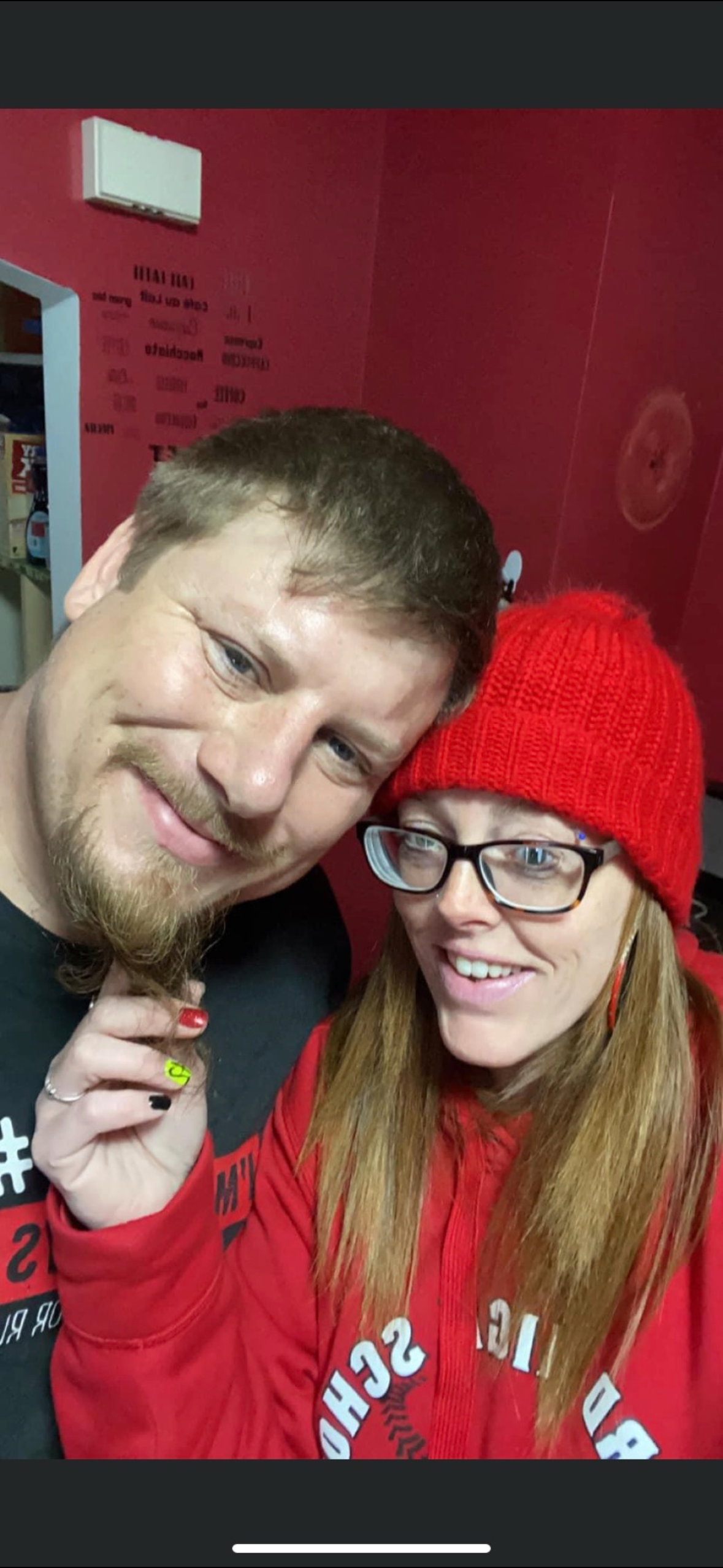
John Eugene Morgan's Journey Through the Ohio Supreme Court
On October 13, 2026, we received news that no family fighting for justice ever wants to hear.
The Ohio Supreme Court declined to accept jurisdiction over John's appeal.
Another denial. Another disappointment. Another moment when I had to remind myself why I started this fight in the first place. I won't pretend that these decisions don't hurt. They do. When someone you love is serving a sentence of 18 years to life, every legal filing carries hope. Hope that someone will listen. Hope that someone will examine the concerns we've raised. Hope that someone will recognize why we continue questioning what happened.
But with every denial, that hope is tested. And while this decision was heartbreaking, I want people to understand exactly what it means—and what it doesn't mean.
What Is a Jurisdictional Appeal?
A jurisdictional appeal is essentially a request asking the Ohio Supreme Court to accept a case for review. Unlike certain appeals that a court is required to hear, many appeals to the Ohio Supreme Court are discretionary. That means the justices first decide whether to accept the case before proceeding with a full review of its legal merits. When the Court declines jurisdiction, it means the Court has chosen not to take the case for that review.
It does not mean the justices conducted a new trial, independently examined every piece of evidence, or made a new determination of guilt or innocence.
That distinction matters. Because when people hear that the Supreme Court denied an appeal, they often assume that the highest court in Ohio reviewed everything and concluded that nothing was wrong. That is not necessarily what happened.
Why We Continue Fighting for John
Since John's conviction, I have spent countless hours examining documents, reviewing evidence, requesting records, and trying to understand how certain decisions were made throughout his investigation and trial. I have raised questions about the handling of evidence, particularly the dash camera recovered from John's vehicle. I have questioned inconsistencies between police documentation and testimony, the scope of the search warrant, and the handling of the camera's digital evidence. I have also continued raising concerns about trial representation, jury instructions, and what jurors reportedly expressed after the verdict. These are not questions I believe should simply disappear because another appeal has been denied. I recognize that allegations and inconsistencies must be supported by evidence and evaluated under the law. That is precisely why I continue seeking records, independent examination, and meaningful legal review.
I am not asking anyone to take my word for it. I am asking for the evidence to be examined and the questions to be answered.
The Emotional Side of a Legal Battle
There is something incredibly difficult about fighting a battle that moves at the speed of the court system while your loved one's life continues behind prison walls. Days become weeks. Weeks become months. Months become years. And every day matters. People see the court decisions, the legal filings, and the social media updates. What they don't always see are the sleepless nights, the frustration, the tears, or the emotional exhaustion that comes with advocating for someone you love. They don't see what it feels like to read the word DENIED after months of waiting. They don't see how difficult it is to pick yourself back up and prepare for the next step. But that's exactly what I intend to do.
Does This Mean John Has No Other Options?
No. A jurisdictional denial does not automatically eliminate every possible legal avenue.
Depending on the circumstances, additional remedies may include federal habeas corpus or other forms of post-conviction relief. These proceedings have strict deadlines, procedural requirements, and legal limitations. They are not guarantees of a new trial or release.
But the important thing to understand is that a denial of discretionary review is not necessarily the end of every possible constitutional challenge. John's legal counsel must determine which avenues remain available and which claims can properly be pursued.
In the meantime, my work outside the courtroom continues.
My Promise Has Not Changed
I have said it before, and I will continue saying it:
I am not going away.
I will continue requesting records.
I will continue examining the evidence.
I will continue asking questions.
I will continue advocating for accountability, transparency, and constitutional rights.
And I will continue speaking for John while he cannot stand beside me to tell his story.
This journey has introduced me to people who understand the pain of fighting for a loved one, families who have experienced similar struggles, and advocates who have dedicated their lives to criminal justice reform.
It has also taught me that justice is not always quick, simple, or easy.
But I refuse to allow disappointment to become defeat.
This Fight Is Bigger Than One Court Decision
I believe our justice system should welcome legitimate questions about evidence, investigative practices, legal representation, and constitutional protections.
Because protecting those rights isn't about excusing criminal behavior.
It's about ensuring that the government follows the law when taking away someone's freedom. Every person deserves that protection. And every family deserves to know that serious concerns have been fairly considered. On October 13, another legal door closed for John. But my voice did not. My determination did not. And my commitment to seeking the truth certainly did not.
The Ohio Supreme Court may have declined to hear John's appeal, but I will never stop advocating for his right to a fair and constitutional process.
This is not where I wanted us to be. But this is where we are. And from here, we keep going. 💚
Proverbs 31:9: "Open thy mouth, judge righteously, and plead the cause of the poor and needy."


Comments